Skip to content

Image via Unsplash

Katie Conroy
Guest article provided by Katie a contributing author and is not affiliated with D. Financial & Tax Services (DFATS).
Thinking long-term means treating your house like a multi-year project, not a series of monthly bills. You plan for the costs you can predict, and you prepare for the ones you cannot, so decisions feel intentional instead of urgent. That mindset supports calmer choices and stronger financial stability.
It matters because steady planning reduces the “surprise” factor that wrecks budgets. An emergency fund gives you a buffer, but long-range thinking also helps you lower how often you need that buffer. Over time, you stop reacting to every repair and start managing your costs.
Picture two homeowners facing a failing appliance. One swipes a credit card in a panic; the other has a replacement category, a shortlist of options, and a timing plan. The second person still pays, but they pay with less stress and fewer trade-offs. That same approach shines with preventive HVAC upkeep and smarter repair planning.
Use HVAC Upkeep to Prevent Budget-Busting Repair Surprises
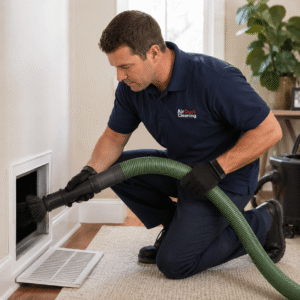
Long-term thinking gets real when you focus on the systems that can quietly turn into big, sudden expenses. Regular HVAC maintenance is a practical way to keep homeownership costs predictable: small, routine attention helps you avoid the kind of breakdowns that lead to expensive emergency repairs, while a well-maintained system tends to run more efficiently, supporting lower energy use over time. That combination makes it easier to plan ahead because you’re budgeting for expected upkeep instead of scrambling for surprise replacements.
And when normal wear-and-tear does show up and a component needs swapping, quality matters. If you’re ordering HVAC parts, stick with reputable suppliers so what you buy is durable, compatible with your system, and less likely to create repeat issues. That same “plan it before it hurts” approach carries into the weekly-to-yearly habits that keep the rest of your home costs steadier, too.
Weekly Rituals for Long-Term Home Money Clarity
Long-term homeownership gets easier when planning becomes routine instead of reactive. These practices turn “someday” costs into scheduled check-ins, so you can make calmer decisions and keep your budget steadier as the years pass.
Weekly Budget Check
- What it is: Review upcoming bills, sinking funds, and one “next repair” estimate.
- How often: Weekly
- Why it helps: You spot gaps early and avoid surprise cash crunches.
Monthly Financial Plan Refresh
- What it is: Update your financial plan with new income, goals, and home costs.
- How often: Monthly
- Why it helps: Your spending matches priorities, not just emergencies.
Quarterly Home Walk-Through
- What it is: Do a 20-minute check of leaks, seals, drains, and strange noises.
- How often: Quarterly
- Why it helps: Small fixes stay small and scheduling stays flexible.
Emergency Fund Autopilot
- What it is: Auto-transfer a set amount into a “house reserve” account.
- How often: Each payday
- Why it helps: Repairs become an inconvenience, not a financial crisis.
LED Swap Rule
- What it is: Replace one old bulb with an LED until they’re all upgraded.
- How often: Per burnout
- Why it helps: LEDs can cut energy consumption by 75 percent versus traditional lighting.
Homeownership Budgeting Questions, Answered
Q: When should I fix something now versus wait and save?
A: Act fast on anything involving water, wiring, gas, or structural movement, since small issues can turn expensive quickly. If it is cosmetic or purely optional, price out the fix and set a target date so it does not linger as “someday.” When in doubt, get a pro opinion before delaying.
Q: How much should I set aside for home repairs each month?
A: Start with a number you can sustain, even if it is modest, and treat it like a bill. Because median monthly homeownership costs increased 3.8% between 2023 and 2024, build in small annual increases so your plan keeps up.
Q: Should I use my emergency fund for repairs?
A: Use it for true surprises that affect safety or prevent major damage. Then, refill it with automatic transfers so one repair does not create a long financial hangover.
Q: Can I tackle repairs myself to save money, or does that backfire?
A: DIY can be a smart fit for low-risk tasks like painting or swapping fixtures. For plumbing, electrical, or roof work, get quotes first, since a mistake can cost more than hiring help.
Q: How do I budget when multiple big expenses hit in the same year?
A: Rank projects by risk and consequences, then split them into “must do,” “should do soon,” and “nice to have.” If cash is tight, ask contractors about phased work so you solve the biggest problem first.
Commit to One Long-Term Habit for Stronger Home Finances
Homeownership always pulls you between today’s expenses and tomorrow’s repairs, and it’s easy to drift into reactive spending. The long-game mindset, proactive cost management, sustained financial discipline, and steady long-term planning motivation, keeps decisions grounded in what the house will need over years, not weeks. When that approach becomes routine, the surprise bills feel smaller, tradeoffs get clearer, and homeownership success strategies start to stick because they’re built into your budget. Long-term homeowners win by planning early and spending on purpose.