

Sara M
Sara is a guest poster who works for Sanitair LLC.
Lower Your Energy Costs With Regular Duct Cleaning Services to Save More Money
Introduction
Every homeowner wants to keep their utility bills as low as possible without sacrificing comfort. What many people do not realize is that the answer to lower energy bills might not be a new thermostat or a fancy insulation upgrade. It could be something far simpler: the condition of the air ducts running through your home. Dust, debris, pet hair, and grime build up inside your ventilation system over time, forcing your HVAC unit to work harder than it should. This added strain drives up energy consumption month after month, often without homeowners ever noticing the connection.
Regular cleaning of your home’s air pathways is one of the most overlooked strategies for improving efficiency and comfort. When your system can breathe easily, it does not have to fight against blockages, and your monthly bills reflect that improvement. This article explores why regular cleaning matters so much, how it directly affects your energy costs, what signs indicate it is time for service, and how to choose a reliable provider so you can start saving money right away.
Why Air Ducts Get Dirty in the First Place
Before diving into the benefits of regular cleaning, it helps to understand why your ventilation system collects grime so quickly. Every time your HVAC system runs, it circulates air throughout your entire home, and that air carries all sorts of particles with it. Dust from furniture, dead skin cells, pet dander, pollen tracked in from outside, and even tiny fibers from carpets and clothing all get pulled into the system.
Over months and years, these particles settle inside the metal or fiberglass pathways that carry air to every room. In humid climates, moisture can combine with dust to create an environment where mold and bacteria thrive. Homes with pets, smokers, or recent renovation work tend to accumulate buildup even faster. Older homes with outdated duct cleaning work are especially prone to collecting years of debris that has never been addressed.
This buildup does not stay contained either. Every time the system cycles on, some of that trapped debris gets pushed back into your living space, which is one reason indoor air quality complaints often trace back to a ventilation system that has gone too long without attention. But beyond the air quality issue, this accumulation has a direct and measurable impact on how much energy your system needs to consume to keep your home comfortable.
The Direct Connection Between Regular Cleaning and Energy Savings
Here is where the money-saving angle becomes clear. Your HVAC system is designed to move a specific volume of air through your home efficiently. When pathways become clogged with dust and debris, the system has to work harder to push the same amount of air through a narrower, obstructed space. Think of it like trying to breathe through a straw that has been partially blocked. You can still get air through, but it takes noticeably more effort.
This extra effort translates directly into higher electricity usage. Your blower motor has to run longer and at higher capacity to compensate for restricted airflow, and your compressor works overtime trying to reach the temperature set on your thermostat. The Department of Energy has long noted that heating and cooling account for a significant portion of a typical home’s total energy use, so even a modest improvement in system efficiency can lead to real savings on your monthly statement.
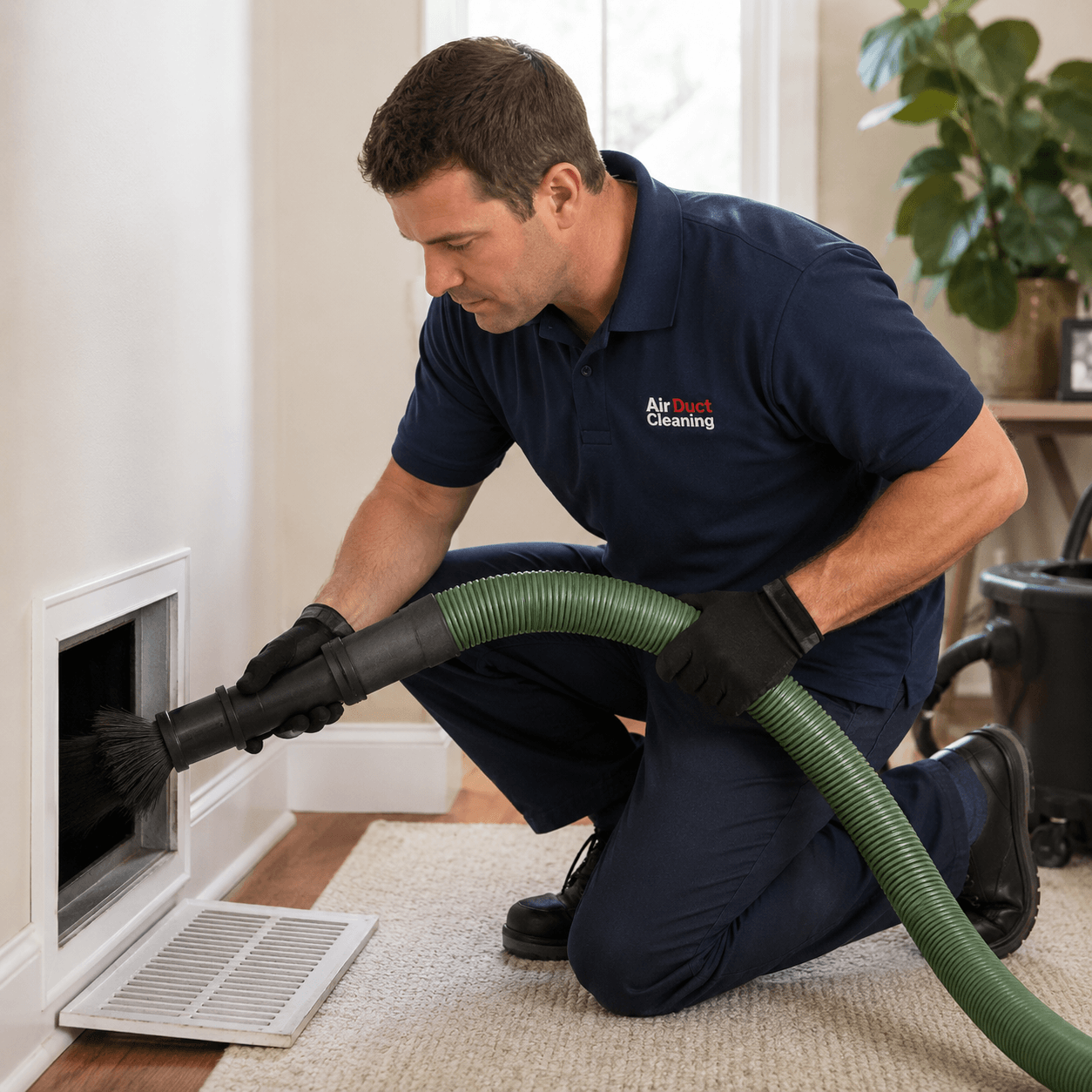
Routine maintenance keeps airflow unobstructed, allowing your system to operate the way it was originally engineered to. When a technician performs a thorough clearing of these pathways, homeowners frequently notice their system cycles less often and reaches the desired temperature faster. Less run time means less electricity consumed, and that adds up significantly across an entire year, especially during peak summer and winter months when systems already work harder than usual.
There is also a longevity factor tied to this efficiency conversation. When a system is not straining against blocked airflow, its components experience less wear. Motors run cooler, belts and bearings face less resistance, and the overall mechanical stress on the unit decreases. This means fewer repair calls and a longer functional lifespan for equipment that can cost thousands of dollars to replace. Investing in periodic maintenance is a small price compared to premature system failure or a costly repair bill that could have been avoided.
Signs That Your Home Needs Attention Now
Many homeowners wonder how often this kind of upkeep is truly necessary, and the honest answer depends on several factors including household size, whether you have pets, if anyone in the home has allergies, and how old your system is. That said, there are clear warning signs that indicate the need for service sooner rather than later, regardless of when your last appointment was.
One of the most noticeable indicators is a visible layer of dust around your vent covers or a musty smell whenever the system kicks on. If you find yourself dusting furniture more frequently than you used to, despite no change in your cleaning habits, that could be a sign that your system is redistributing debris throughout your living space rather than filtering it out effectively.
Another telling sign is uneven temperatures between rooms. If one bedroom always feels warmer or cooler than the rest of the house, restricted airflow caused by buildup could be the culprit. Similarly, if you have noticed your energy bills creeping upward even though your usage habits have not changed, it is worth having your system inspected. A sudden spike in cost without an obvious explanation is often tied to reduced efficiency somewhere in the system.
Homeowners who have recently completed a renovation project should also pay close attention. Construction work generates enormous amounts of drywall dust, sawdust, and other fine particulate matter that can settle deep within your ventilation pathways, and this type of debris tends to be denser and more stubborn than everyday household dust. If you have pets that shed heavily, or if a family member has recently developed unexplained allergy symptoms or respiratory irritation, these are additional signals that professional attention is overdue.
Finally, homes that have sat vacant for an extended period, or that have experienced a pest problem, should schedule an inspection as well. Rodents and insects can leave behind droppings, nesting material, and odors that circulate through your air supply every time the system runs, which is both an efficiency concern and a health concern.
How to Choose the Right Service Provider
Once you have decided that it is time to schedule an appointment, choosing the right company matters just as much as the decision to seek help in the first place. Not all providers offer the same level of thoroughness, and a rushed or incomplete job will not deliver the energy savings you are hoping for.
Start by looking for a company with proper certification and a track record of positive customer feedback. Ask whether they follow standards set by recognized industry organizations, as this typically indicates a higher level of training and accountability. A reputable provider should be willing to walk you through their process, explain what equipment they use, and answer questions about how long the appointment will take.
Request a detailed breakdown of what is included in the service. Some providers offer a basic package that only addresses the main trunk lines, while others include supply vents, return vents, the blower compartment, and even sanitizing treatments for mold or bacteria. Understanding exactly what you are paying for helps you compare quotes accurately and avoid hidden fees later.
It is also worth asking about before and after documentation. Many trustworthy companies will show you photos or video footage of the interior condition of your ductwork both before they begin and after they finish, which gives you tangible proof of the work performed. Be cautious of any company that pressures you into unnecessary add-on services or quotes a price that seems unusually low compared to competitors, as this can sometimes indicate corners will be cut.
Finally, consider setting up a maintenance schedule rather than waiting until a problem becomes obvious. Many providers offer seasonal or annual plans that keep your system running efficiently year-round, and staying ahead of buildup is always more cost effective than trying to reverse years of accumulation all at once. A proactive approach protects both your wallet and your equipment over the long term.
The Bigger Picture: Comfort, Health, and Savings Working Together
It is worth stepping back to appreciate how interconnected these benefits really are. A well maintained ventilation system does not just lower your electric bill, it also improves the quality of air your family breathes every single day. Reduced dust circulation means less irritation for anyone with allergies or asthma, and a cleaner system reduces the odds of mold growth in humid or poorly ventilated areas of your home.
At the same time, your HVAC equipment lasts longer because it is not straining against obstructions, which delays the need for an expensive replacement. Your home reaches a comfortable temperature faster and holds it more consistently, meaning less cycling and less wasted energy throughout the day. All of these advantages stem from the same root cause: keeping your system’s pathways clear and functioning as intended.
Homeowners often treat this kind of upkeep as optional or something to worry about later, but the financial and health benefits make a strong case for prioritizing it. A modest investment now can prevent much larger expenses down the road, whether that is a premature system replacement, a spike in monthly utility costs, or medical expenses tied to poor indoor air quality.
Conclusion and Next Steps
Lowering your energy costs does not always require a major renovation or an expensive equipment upgrade. Sometimes the most impactful change is also the simplest: making sure the pathways that deliver heated and cooled air throughout your home are free of dust, debris, and buildup. Regular cleaning keeps your HVAC system operating the way it was designed to, which means less strain on your equipment, fewer repair bills, and a noticeably lower energy bill every month.
If it has been more than a couple of years since your system was last inspected, or if you have noticed any of the warning signs discussed above, now is the perfect time to take action. Do not wait for a spike in your utility bill or an unexpected breakdown to prompt a decision that could have been made proactively.